Dear Brigitte,
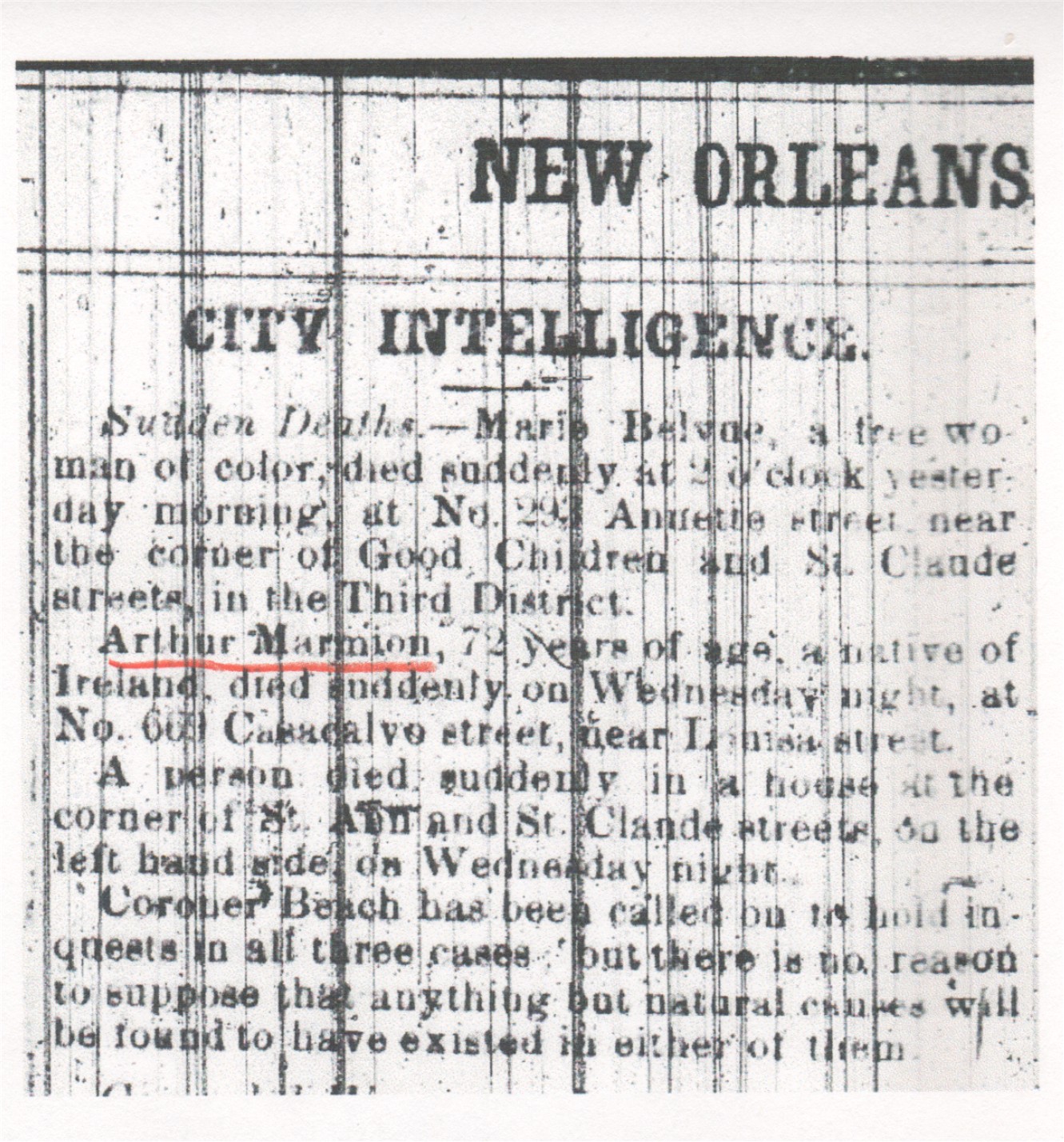
Casa Calvo was a street in Faubourg Marigny that was named for a man who was sent to New Orleans for a temporary job. In 1799, he was needed to act as interim governor of Louisiana until the permanent one arrived. His entire name -- a very fancy one indeed -- was Sebastian de la Puerta Y O'Farril, Marquis de Casa Calvo. He was replaced by Don Juan Manuel de Salcedo, who arrived in June 1801 and had a brief and undistinguished career as Louisiana's last Spanish governor.
Casa Calvo was one of the streets named by Bernard Xavier Philippe de Marigny de Mandeville, a Creole lad, born in 1785, who inherited a great deal of money and property from his very rich papa. However, Bernard was a wild youth who lived extravagantly, gambled away much of his inheritance, and was reduced in 1808 to subdividing his land and selling the lots. He created his separate faubourg with unique street names that included Bagatelle, Love, History, Peace, Good Children, Victory, Great Men and Craps. On Nov. 20, 1852, Rue Casa Calvo was renamed Royal as an extension of the street in the French Quarter. Likewise, the other streets in Faubourg Marigny were also renamed.
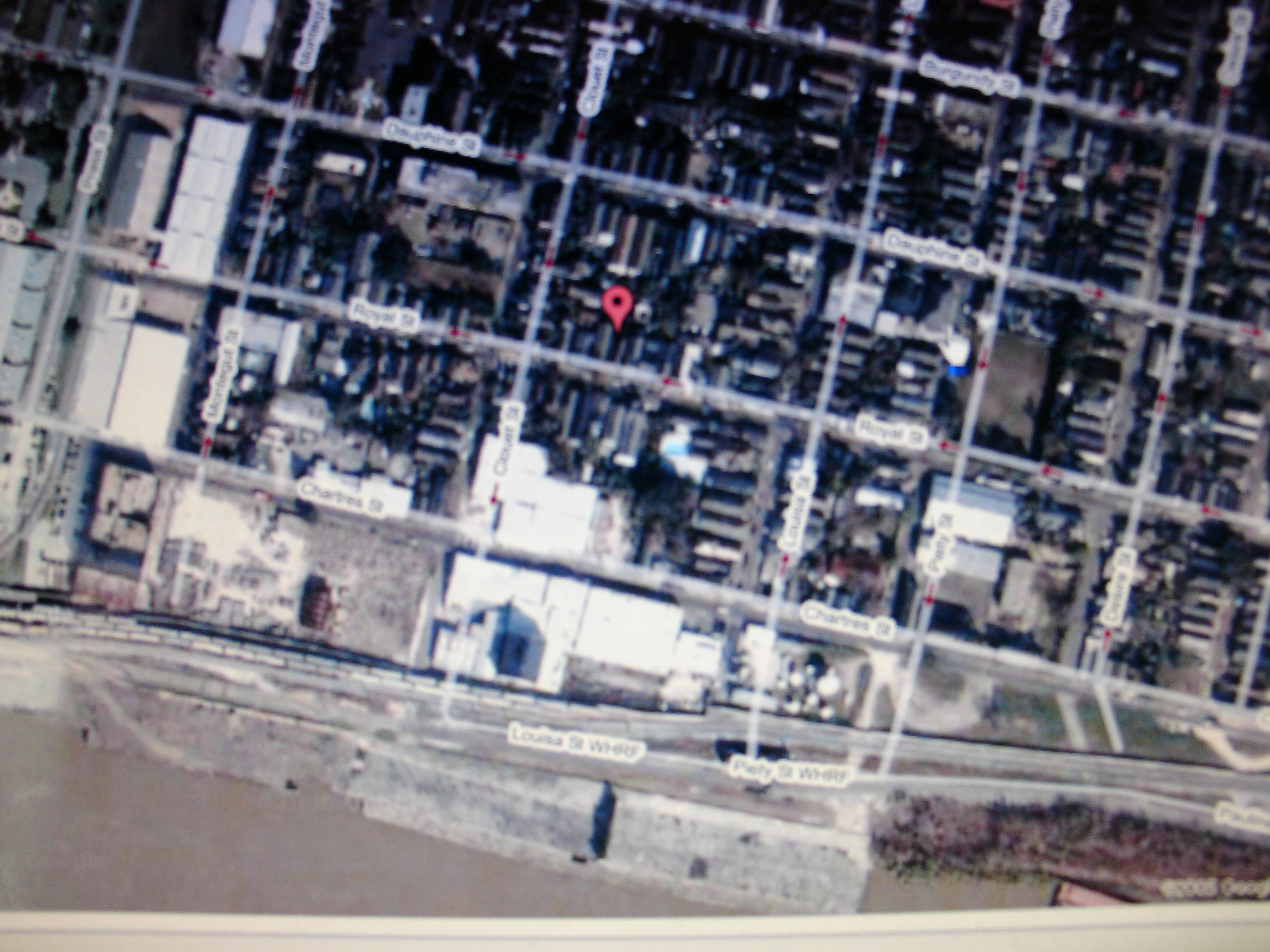
The street you are not sure of sounds a lot like Louisa Street, which intersects with Royal Street downriver in the historic district now known as Bywater. The history of the area goes back to just after the founding of the city in 1718, when gifts of land were made to private owners. By the 19th century, there were at least six Creole plantations in the area, which was known collectively as Faubourg Washington. One of the plantation owners was deClouet, and the street was named for Louisa deClouet.
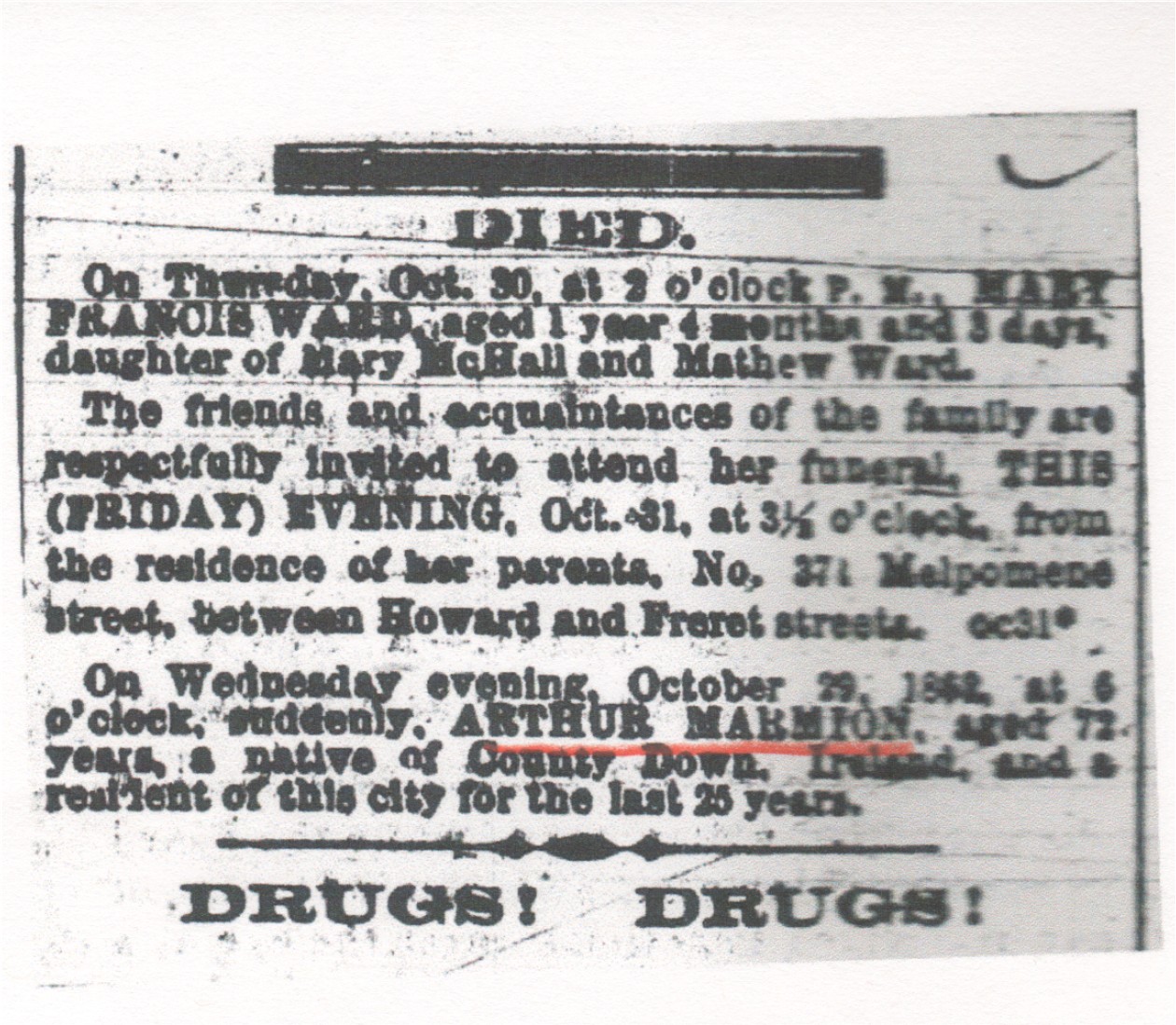
Although the name Casa Calvo was changed in 1852, folks may have still been calling it by its old name when your ancestor died. |